18 Common Living Room Layout Mistakes You Might Be Making (But Can Totally Fix)

This post is all about common living room layout mistakes.

Arranging a living room can feel like solving a puzzle with no picture on the box. One wrong move and suddenly your cozy space feels cramped, awkward, or just…off.
The good news? Most layout mistakes are super easy to spot and fix—once you know what to look for.
Here are 18 common layout blunders that might be messing with your living room vibes—and how to avoid them like a pro.
18 Common Living Room Layout Mistakes
1. Pushing All the Furniture Against the Walls
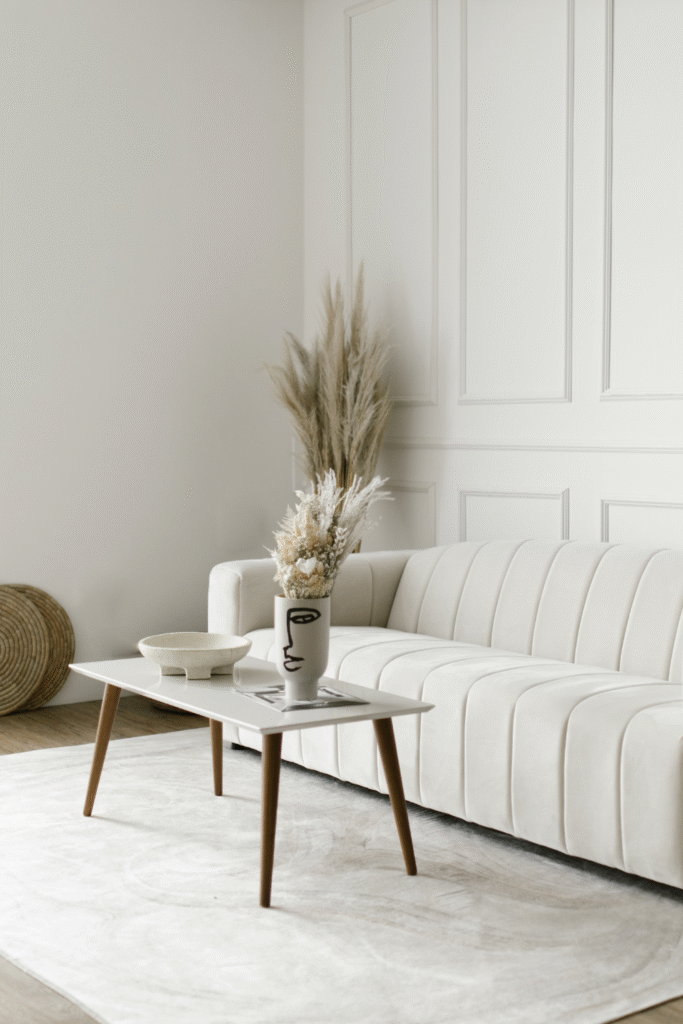
It might seem like giving your furniture space to “breathe” means hugging the walls, but this actually makes the room feel more disconnected.
A better approach? Pull seating closer to create a cozy conversation zone. This works especially well in larger rooms where floating furniture feels intentional.
Trust us, your living room doesn’t have to be a dance floor.
2. Ignoring the Flow of Traffic

If people have to do a gymnastics routine just to get to the kitchen, your layout needs help. A good room layout keeps footpaths clear and logical.
Think about how people enter, exit, and move around the room. If someone has to sidestep a coffee table every time they walk through, it’s time to rethink.
Your living room should welcome guests, not trip them.
3. Blocking Natural Light
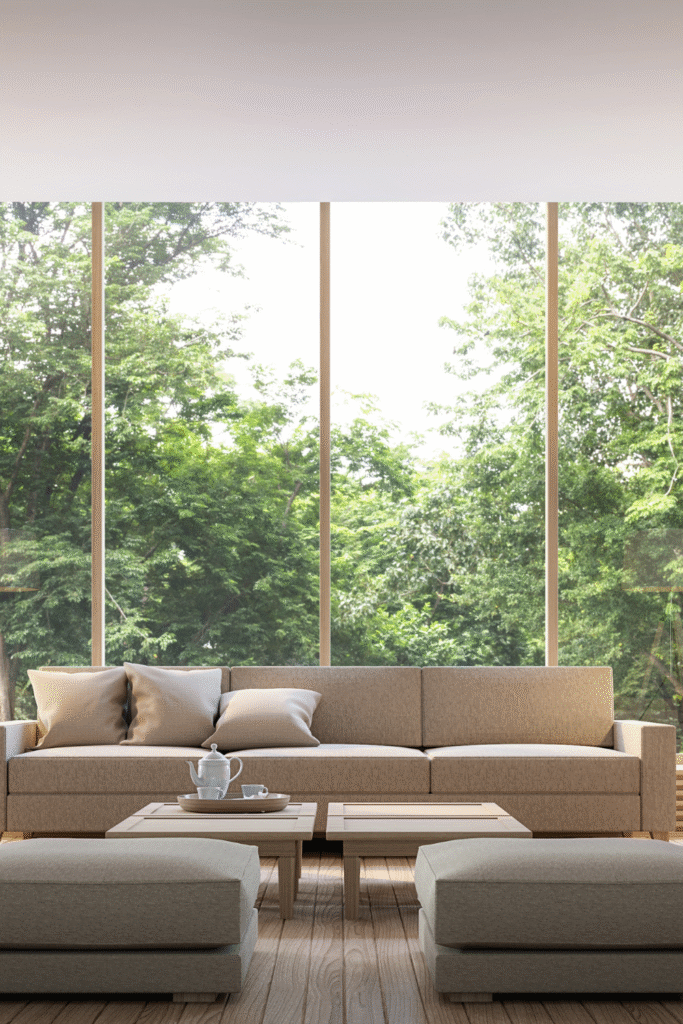
That big, comfy sofa looks great—until it’s blocking all the sunlight from your window. Natural light is basically free magic for your room, making everything feel brighter and bigger.
Avoid placing tall furniture directly in front of windows. Let the sunshine in and your room will thank you. Plus, your plants will be much happier.
4. Choosing the Wrong Rug Size
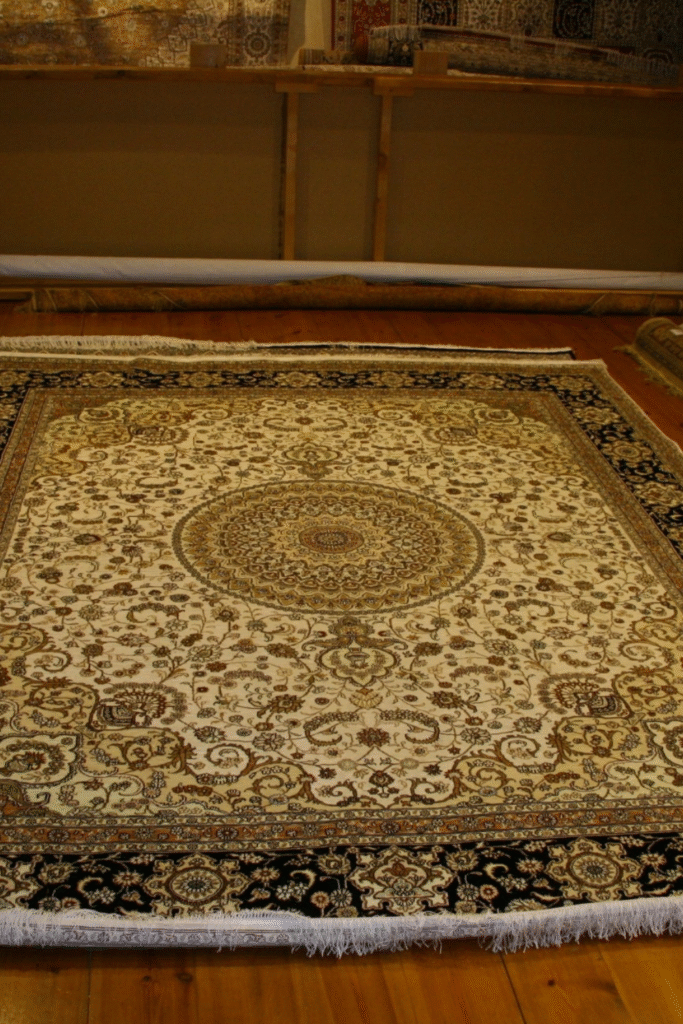
That tiny “postage stamp” rug under your coffee table isn’t doing your space any favors. Rugs should ground your furniture—not float in the middle of the room like a lost island.
A good rule? At least the front legs of your major furniture pieces should be on the rug. When in doubt, size up.
5. Overcrowding the Space
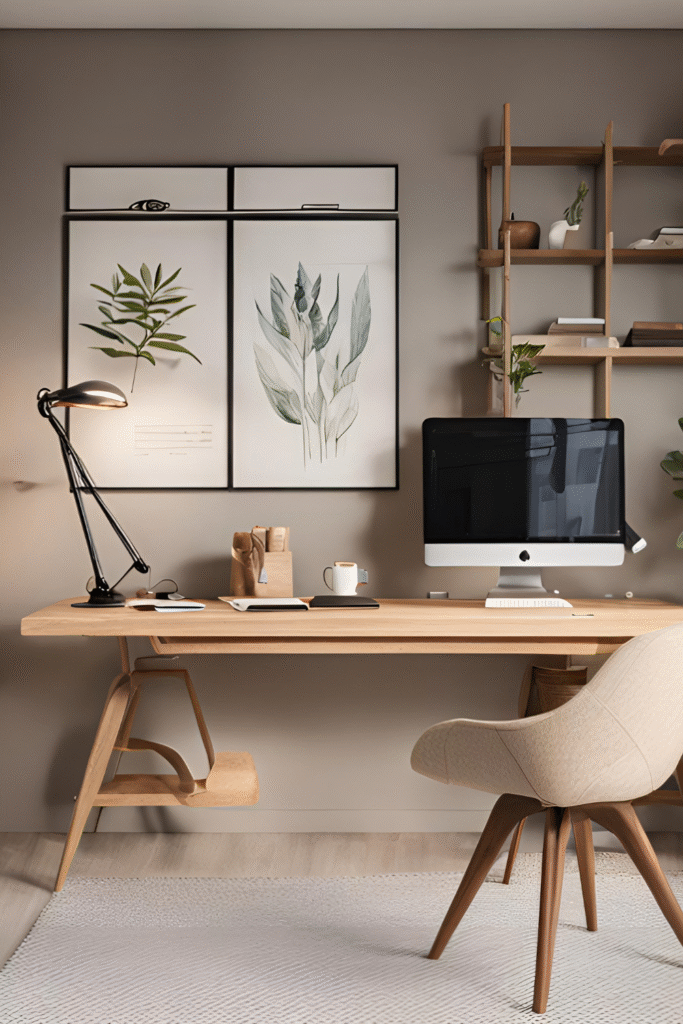
If your living room feels like a furniture showroom, it’s probably too crowded. Less really is more when it comes to layout.
Make space to breathe, move, and live. Edit out the extra side tables or duplicate chairs unless they truly serve a purpose. Empty space is not the enemy—it’s what makes your room feel balanced.
6. TV Takes Over Everything

Sure, we all love a good Netflix binge, but don’t let the TV boss your entire layout around. Mounting it too high or making it the sole focus can feel cold.
Balance it out by placing it alongside art or shelving. Better yet, try a layout that allows for both TV time and conversation. Your living room can be multi-talented.
7. Forgetting About Conversation Zones
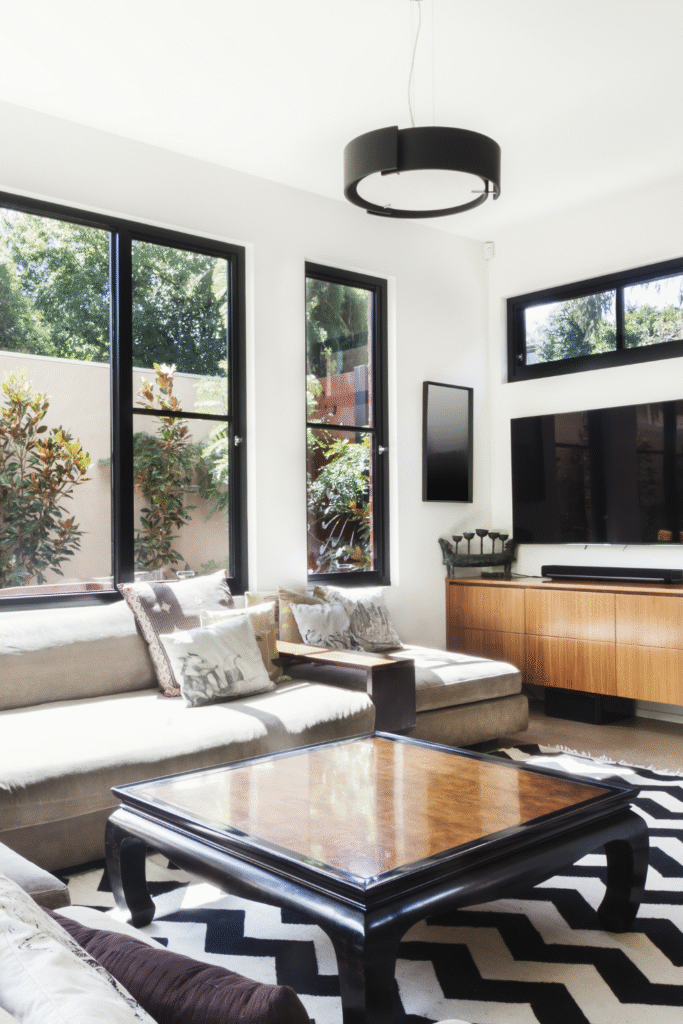
If everyone has to shout across the room just to chat, your layout’s not working. Arrange seating so people can actually talk without yelling.
Think of the furniture like puzzle pieces that form a circle or semi-circle. It encourages eye contact and comfy conversations. Bonus: game nights suddenly get a lot easier.
8. Not Measuring First
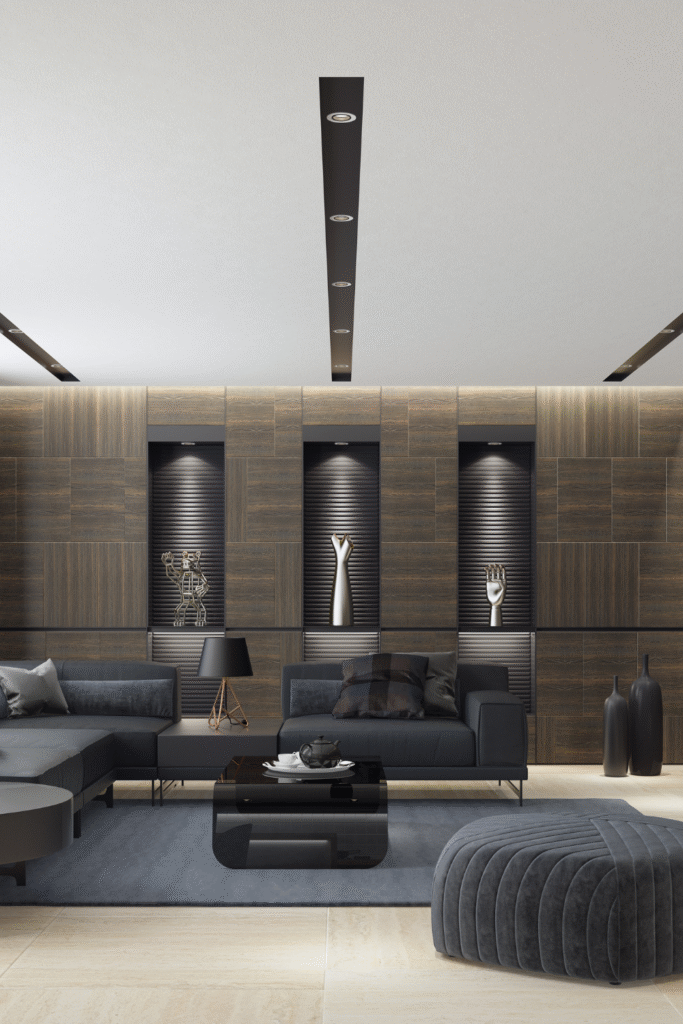
Eyeballing your layout is a gamble that rarely pays off. A sofa that looked perfect online might totally dominate your space IRL.
Measure your room (and your furniture!) before you buy or rearrange. It’ll save you from headaches—and returns. Tape outlines on the floor if you have to!
9. One Lonely Light Source
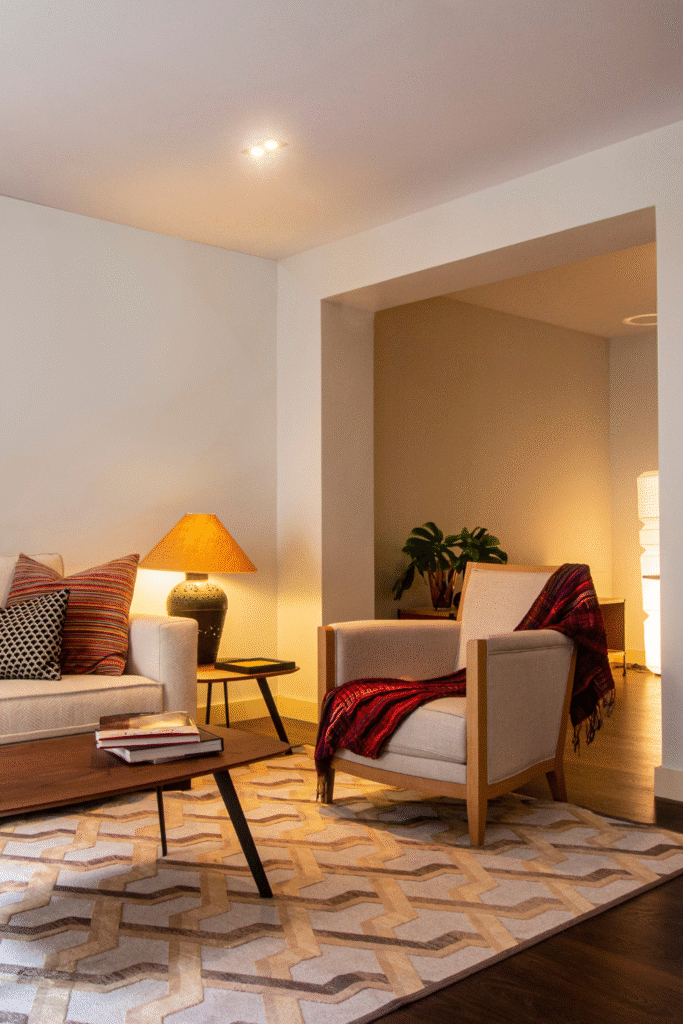
Your overhead light isn’t pulling enough weight on its own. A layered lighting plan—think lamps, sconces, and accent lights—brings depth and warmth to the room.
Plus, it gives you flexibility depending on the mood. Want cozy? Turn off the ceiling light and let the lamps do the work. Lighting is layout’s secret weapon.
10. No Focal Point
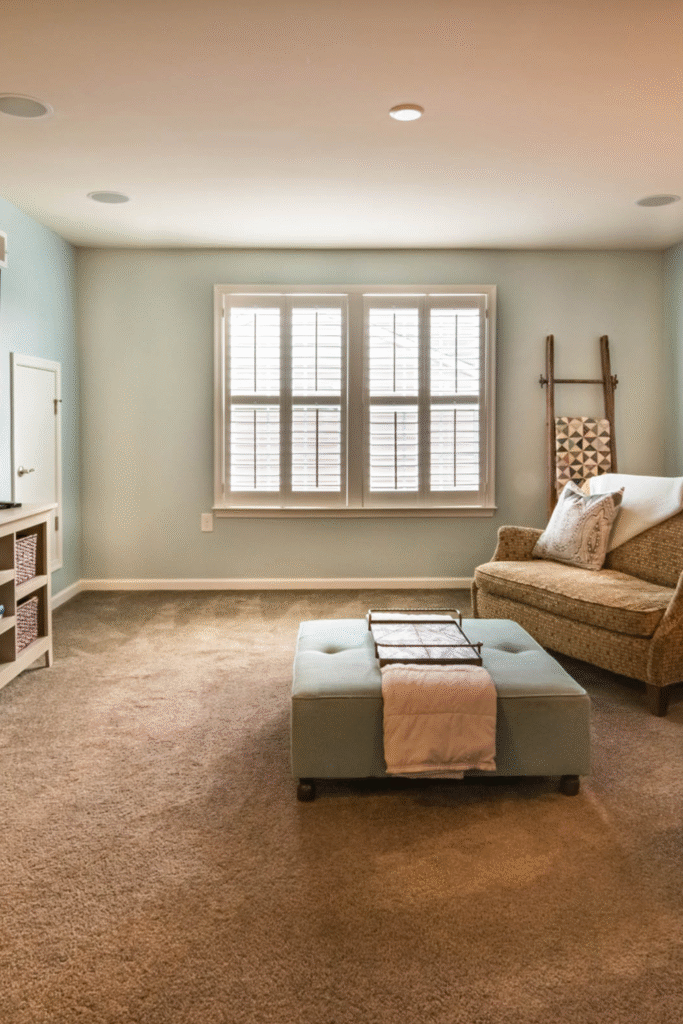
Every room needs a moment—a fireplace, a big window, a piece of art, or even a styled shelf. Without a focal point, your room can feel like it’s drifting.
Choose one and build your layout around it. This gives your room purpose and direction. Otherwise, it’s just furniture floating in space.
11. Unbalanced Furniture Placement
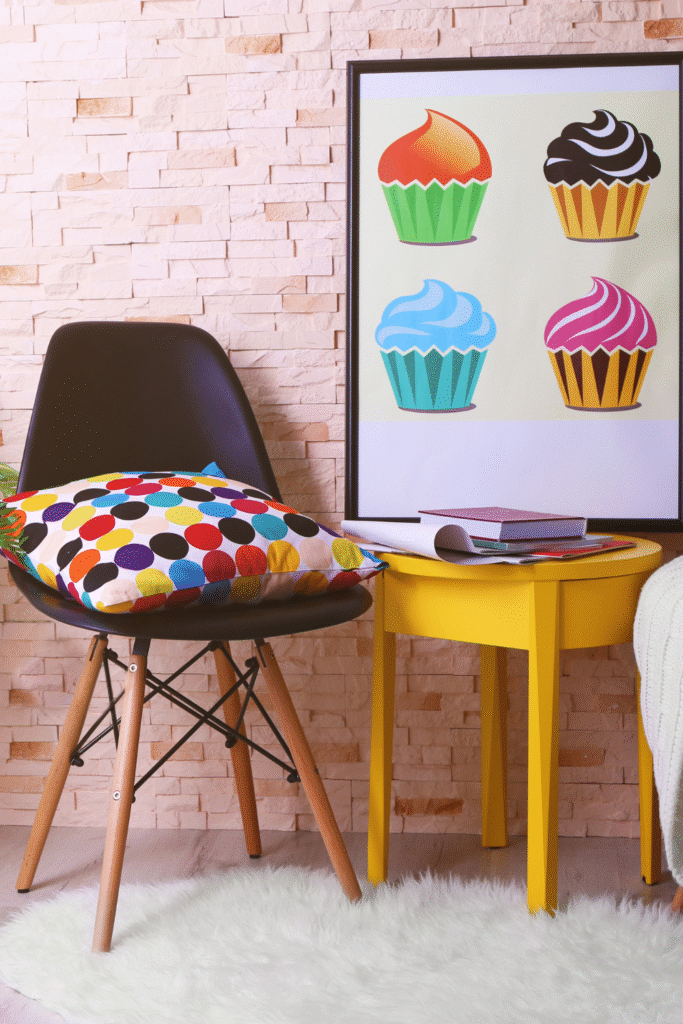
If all your heavy furniture is on one side, your room will feel like it’s leaning. Balance is key—distribute weight (visually and physically) across the space.
Pair a chunky sofa with a large piece on the opposite side, like a tall bookcase or a console. Don’t let one side do all the heavy lifting. Think of it like a seesaw—keep it level!
12. Too Many Small Pieces

Lots of little furniture items can clutter the room fast. Instead of ten tiny tables, opt for one or two statement pieces.
Small furniture might feel “safe,” but it doesn’t always save space. Larger pieces often make a room feel bigger, oddly enough. Be bold and go for that big coffee table—it’s okay.
13. Misplaced Accent Chairs
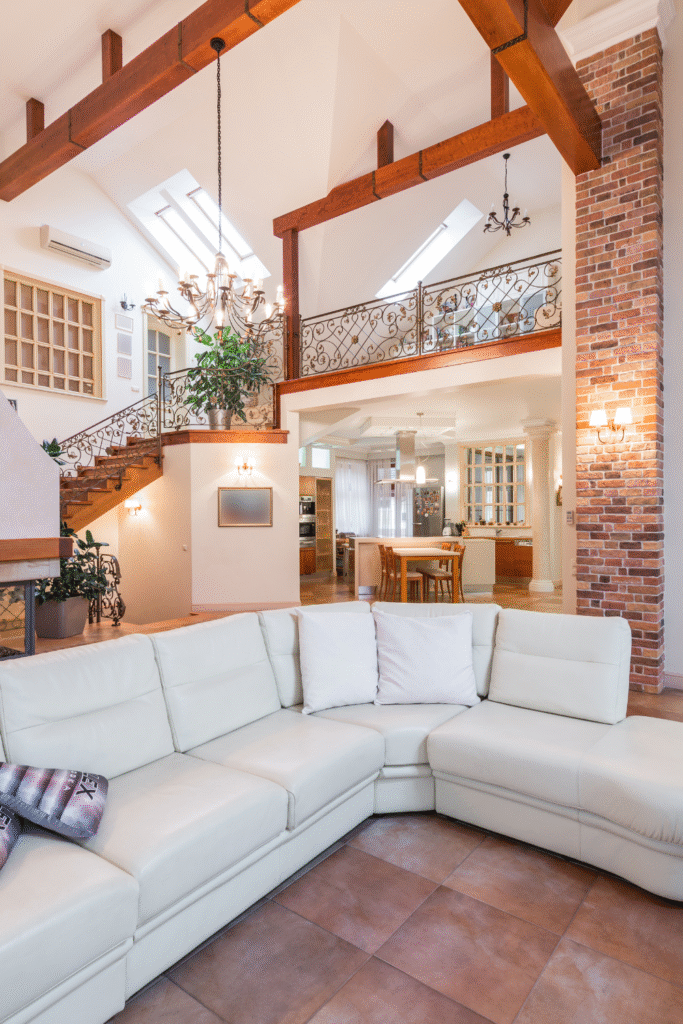
Accent chairs are like the earrings of the room—stylish but tricky to get right. Don’t just plop them down randomly.
Place them where they complement the sofa and keep the conversation flowing. Too far away and they look awkward; too close and you’re knee-bumping. Find that sweet spot for comfort and style.
14. Awkward Corner Syndrome
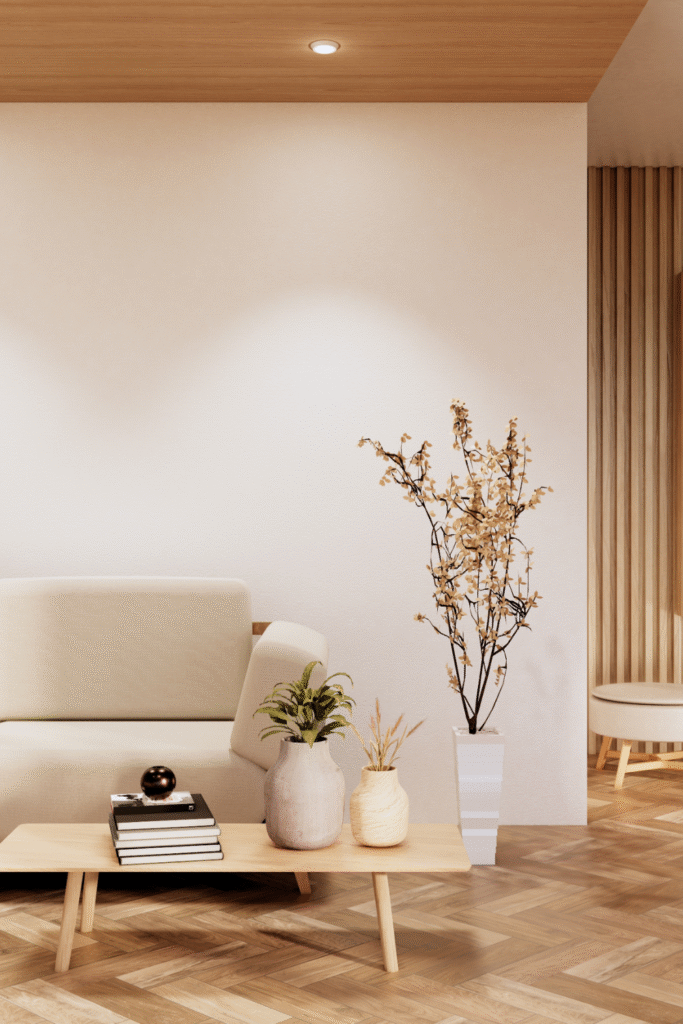
Got an empty corner that’s collecting dust (and guilt)? Corners don’t have to be wasted space. Add a reading nook, a tall plant, or a statement floor lamp.
It rounds out the room and makes it feel finished. A well-used corner can be a total game-changer.
15. Overlooking Storage Needs
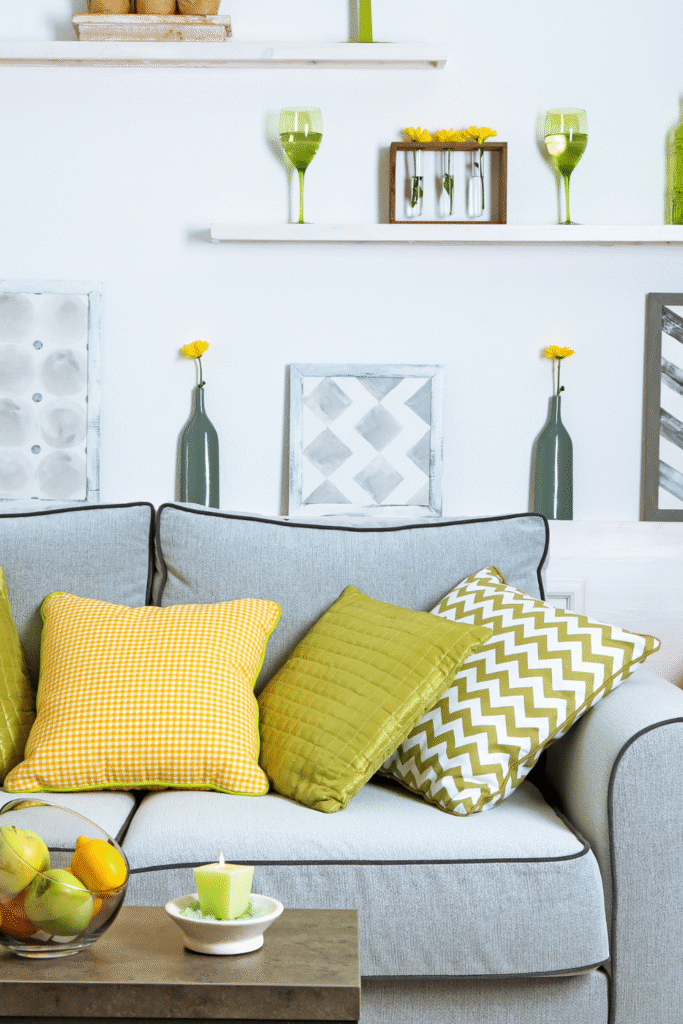
If your living room looks tidy only 10 minutes a day, you might be missing hidden storage. Ottomans, coffee tables with shelves, or closed cabinets are your best friends.
A well-designed layout considers where things actually go. Clutter ruins even the prettiest design. Plan for storage, and your space stays lovely longer.
16. Everything’s Matchy-Matchy
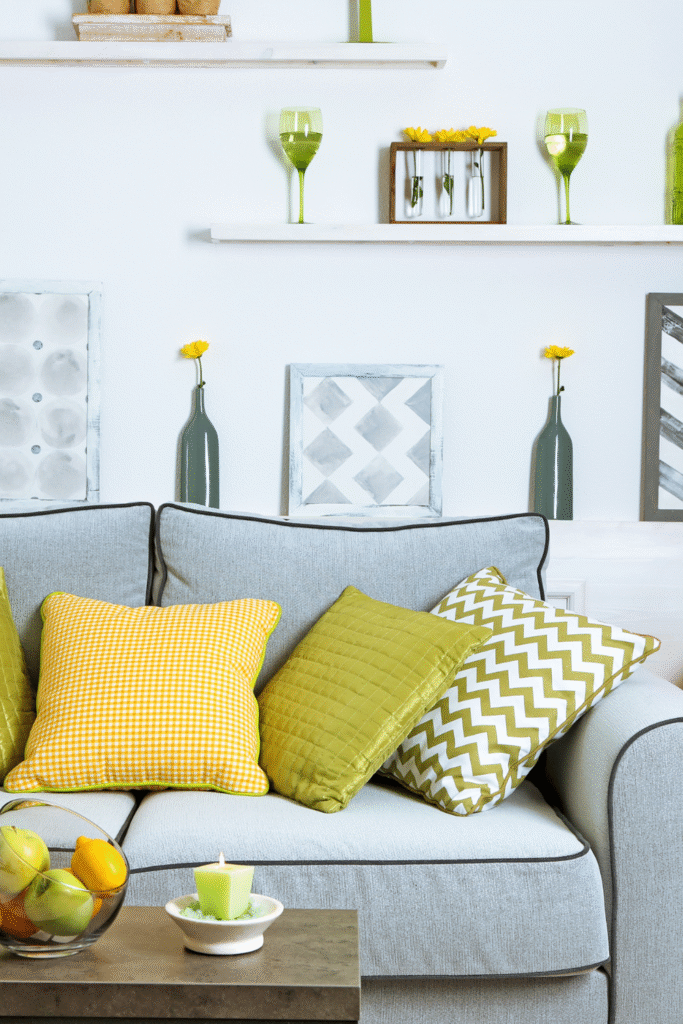
If your sofa, chairs, rug, and lamps all look like they came in a set… they probably did. And that can feel a little too showroom.
Mix textures, styles, and shapes to make your living room feel collected, not copy-pasted. The best layouts mix things up for visual interest. Embrace a little mismatch—it adds personality.
17. Ignoring Vertical Space
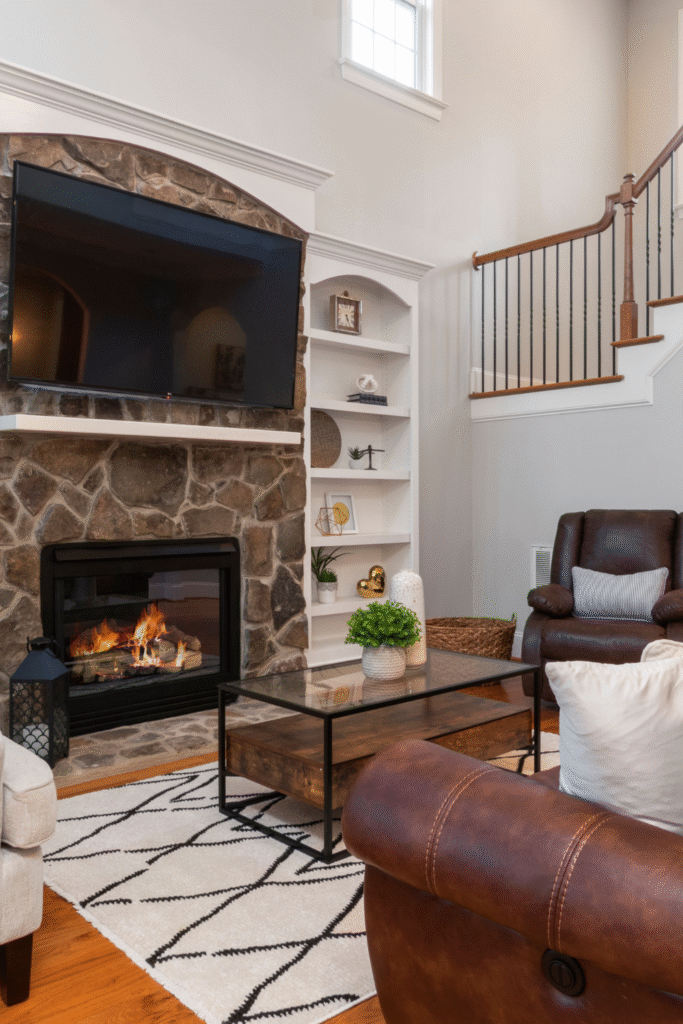
If everything in your room is at the same eye level, it’s going to feel flat. Use tall bookshelves, hanging art, or vertical lighting to draw the eye up.
This creates dimension and makes the room feel bigger. Even tall plants help! Your layout doesn’t just live on the floor—look up.
18. No Room for YOU
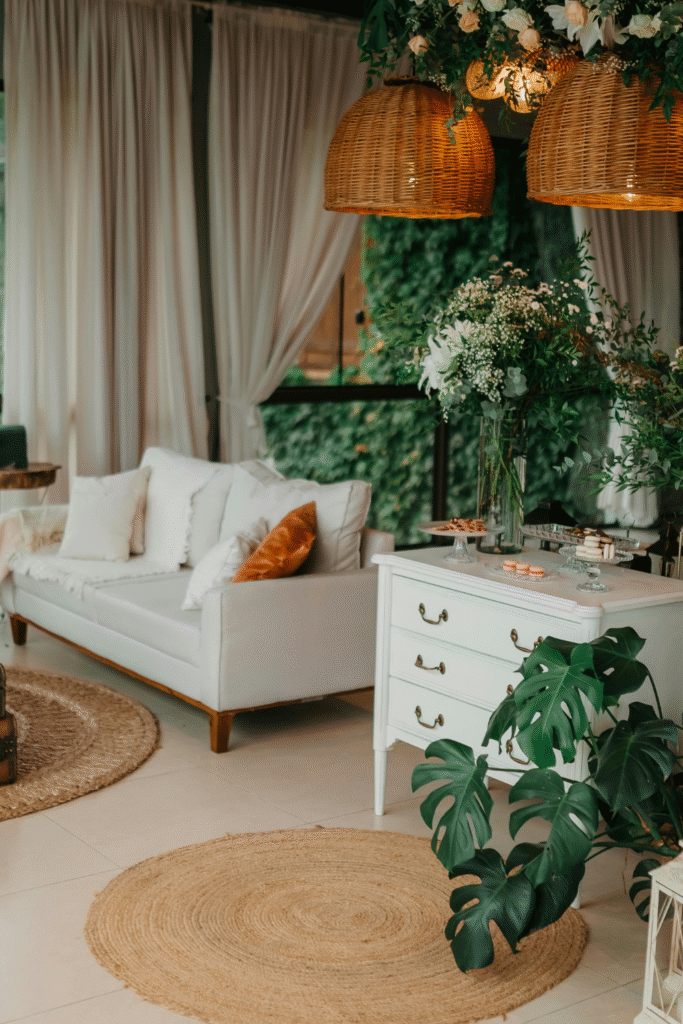
Lastly, don’t forget to make space for how you actually live. Love reading? Add a cozy nook. Always hosting? Make sure there’s seating for a crowd.
Your layout should reflect your lifestyle—not just a magazine photo. Because the best living rooms are the ones you actually live in.
For more decor ideas, check out these posts!
- 17 Outdated Home Decor Trends To avoid in 2025
- 18 Timeless Living Room Ideas You’ll Always Love
- 18 California Casual Decorating ideas For a Breezy Home